Report of the Conference “Responsive Governance and Population Wellbeing in Late Antiquity (3rd-6th century AD)”
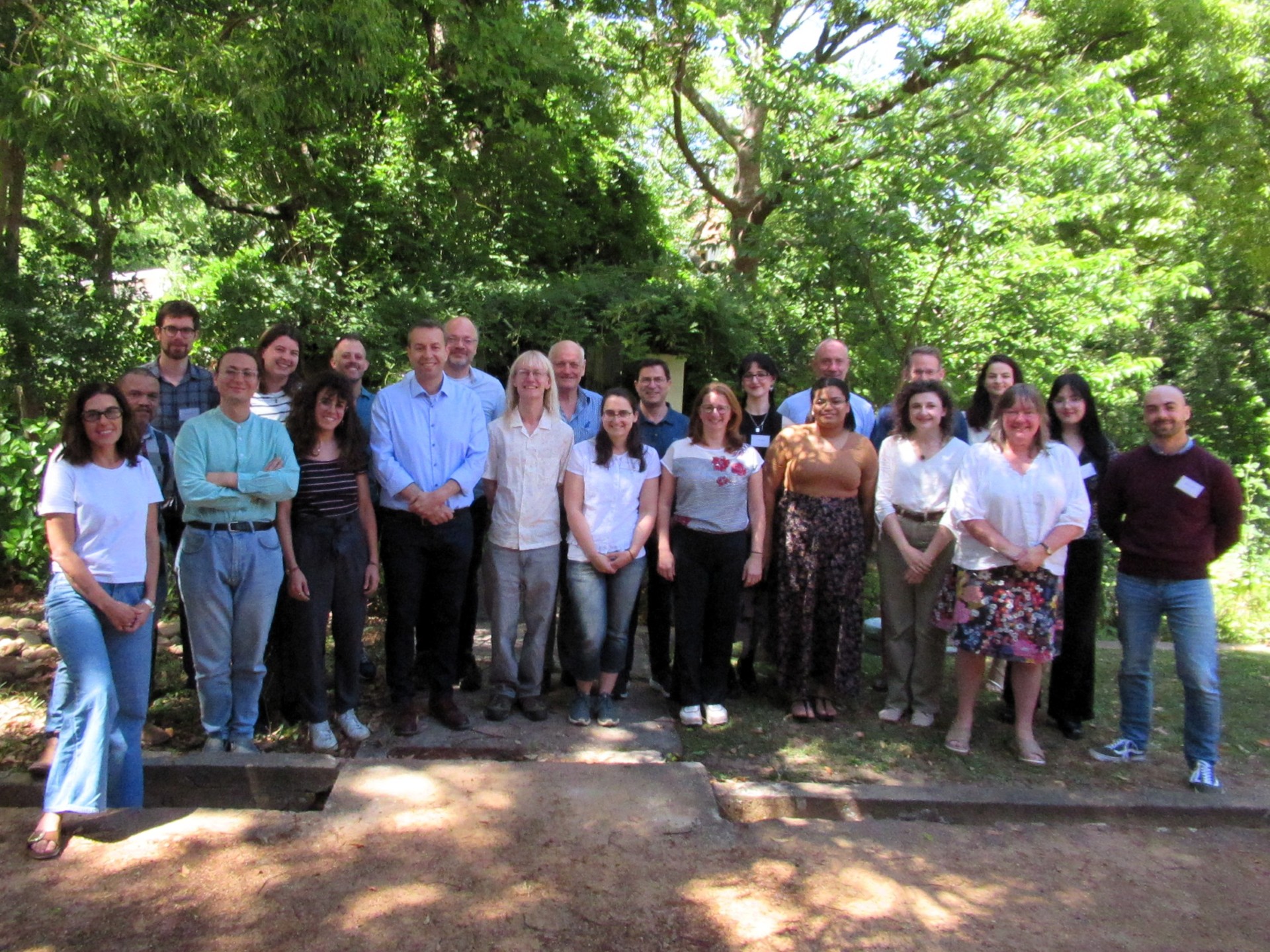
From Wednesday 13 November to Saturday 15 November, the conference Responsive Governance and Population Wellbeing in Late Antiquity (3rd–6th century AD) took place in Stellenbosch, South Africa, organised through a collaboration between the universities of Ghent, Stellenbosch, and the Western Cape (p.i. Prof. Dr. Lieve Van Hoof and Prof. Dr. Philip Bosman).
This conference aimed to address this gap by bringing together papers that examine the state’s (actual and imagined) role in ensuring economic, physical, mental, social, and environmental well-being in the later Roman Empire. We invited contributions on two key themes. First, how did the Roman state itself address issues of well-being—reactively or proactively? To what extent did late antique emperors take the initiative in areas of population well-being? Which levels of government were involved in population well-being, and in which areas? Second, how were issues brought to the state's attention by the general populace: through networks, petitions, or acclamations? What areas of population well-being were being addressed? By addressing these questions, this conference – and the subsequent edited volume – wanted to shed more light not only on the issue of popular well-being, but also on the functioning of the later Roman empire in general.
The meeting opened with a lecture by Prof. Peter Sarris (Cambridge University) on his new book Justinian: Emperor, Soldier, Saint, followed by a reception with excellent South African food and wine.
The papers presented on Thursday, Friday, and Saturday morning demonstrated how and to what extent imperial, civic, and religious authorities across the Mediterranean world took care of the welfare of the population. See here for the programme and abstracts of the conference.
On Saturday afternoon, participants visited beautiful Kirstenbosch at the foot of Table Mountain, stopped at Camps Bay Beach, and concluded the day with dinner at the V&A Waterfront in Cape Town. The conference was a great success, and future collaboration between Ghent University and the South African partners is anticipated.